When used with the right filtration system, air purifiers can eliminate airborne mold spores. There are two categories of mold growth:
Airborne mold spores
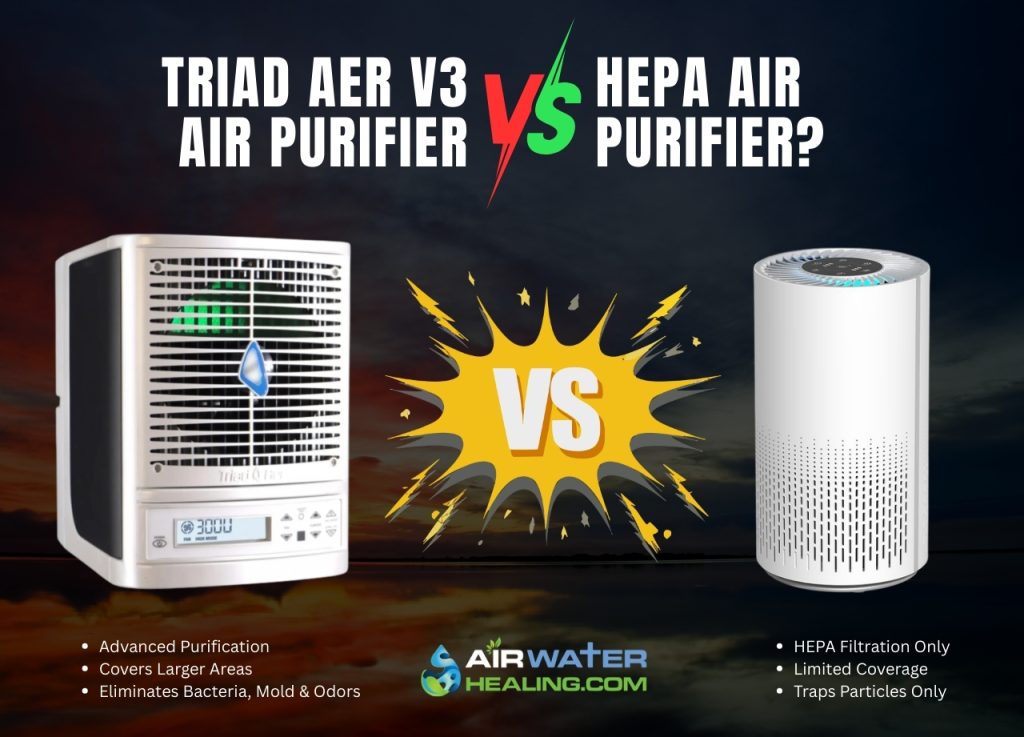
Microscopic spores are released by mold in the air that can spread all over your house. These spores can cause health issues such as asthma, skin irritation, sinus irritation, allergies, and respiratory problems. HEPA air purifier catches 99.97 percent of particles including mold spores. It helps reduce mold exposure and allergy symptoms. It prevents mold growth, improving indoor air quality. Yet, air purifiers can only remove airborne mold spores.
Mold development on surfaces
If the mold has grown on ceilings, furniture, carpets, or walls, air purifiers will not help. Surface mold can be treated with moisture control, mold removal, or professional mold remediation. If you do not clear up mold development, it will grow continuously even with the use of air purifiers.
Do air purifiers remove mold?
Yes, air purifiers can remove mold spores from the air for further mold prevention. It helps:
Improve breathing
Virus protection
Reduce allergies
Eliminate pathogens
Healthier home
You can combine air purifiers with proper ventilation, dehumidification, and mold remediation for best outcome.
Which air purifiers eliminate mold?
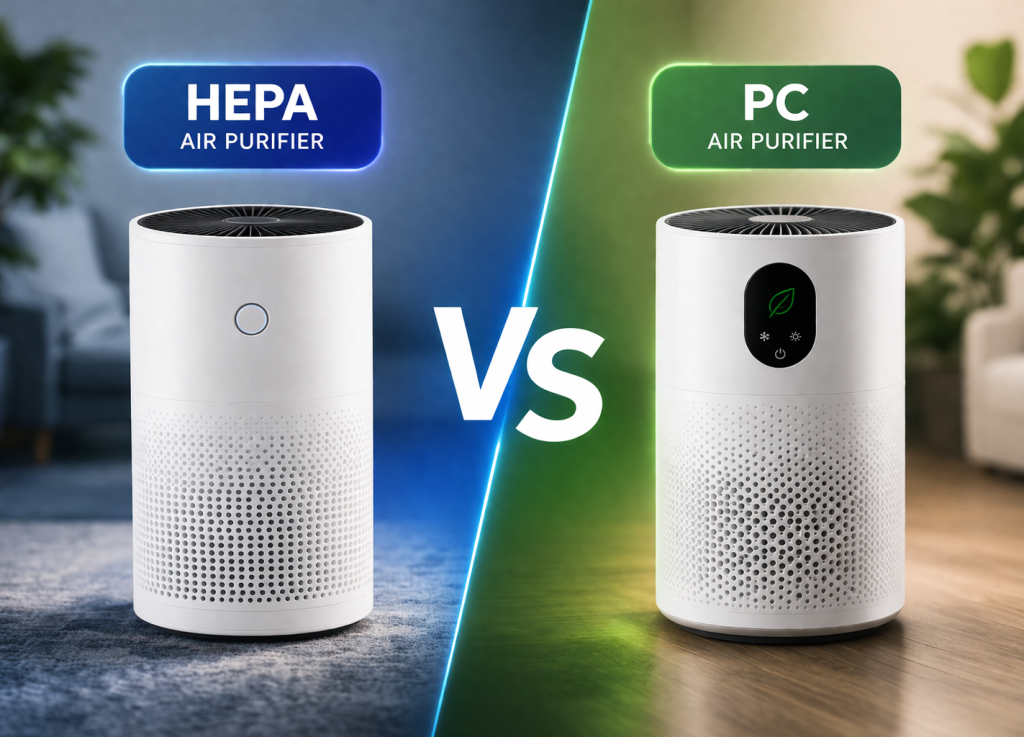
True HEPA filters
True HEPA filters are known as best filters for mold removal as they can catch:
Pet dander
Bacteria
Pollen
Dust
Mold spores
You must look for ‘True HEPA certification, high CADR rating, and full room coverage.
Activated carbon filters
Activated carbon helps in removing chemicals pollutants, mold odors, musty smells, and VOCs. These filters can improve air quality but they do not catch mold spores.
UV-C and advanced purification
Advanced air purifiers contain ionization, photocatalytic oxidation, and UV-C light. These air purifiers will help neutralize microorganisms but must be used with HEPA filtration.
What task air purifiers cannot perform?
Air purifiers are not able to:
Eliminate existing mold colonies
Fix water leaks
Remove mold growth from walls
Remove moisture
Mold growth is caused by moisture, so it is essential to control humidity. It is stated that indoor humidity level should remain between 30 to 50 percent.
When should you use air purifiers?
It is recommended to use an air purifier when you notice:
High levels of humidity
Musty odor
Sudden allergies
Visible mold growth
Frequent sneezing or coughing
Recent water damage
Air purifiers can be used in:
Bedrooms
Basements
Apartments
Bathrooms
Older houses
Use of air purifier
If you want to get best outcome, you must
Choose the right size
An air purifier should be suitable for your room size. Undersized air purifiers will not work efficiently in larger areas.
Regular filter replacement
Air purifiers do not work efficiently with dirty filters. HEPA filters need replacement after 6 to 12 months. However, carbon filters should be replaced after 3 to 6 months.
Continuous use
Air purifiers should be used 24 hours a day at high or medium speed for best outcome.
Resolve moisture issues
You can combine air purifiers with ventilation, dehumidifiers, and leak repairs for best results.
Is mold prevention done by air purifiers?
Air purifiers remove airborne spores from air, reducing the risk of mold development. But, air purifiers cannot remove visible mold. You can prevent mold with moisture control, regular inspection, and proper ventilation.
Is it worth it to use air purifiers?
Yes, air purifiers are very helpful in U.S. houses to:
Reduce mold growth
Improve indoor air quality
Improve sleep
Reduce allergens
Reduce respiratory irritation
Air purifiers must be used for:
People prone to allergies
Families who are keeping pets
Humid areas
Asthma patients
Frequently Asked Questions
Q: Do HEPA filters remove mold spores?
A: Yes, airborne particles including mold spores are removed by True HEPA filters.
Q: Can air purifiers kill mold?
A: Advanced air purifier systems may neutralize airborne microorganisms but they do not kill mold colonies. The basic function of an air purifier is to remove mold spores from the air.
Q: How much time does it take to eliminate mold spores?
A: It takes usually a few hours to start reducing mold spores, however complete clean up may take a few days.
Q: How much time does it take to eliminate mold spores?
A: It takes usually a few hours to start reducing mold spores, however complete clean up may take a few days.
Q: Are cheaper air purifiers helpful in removing mold?
A: Low-quality air purifiers may not efficiently remove mold spores because they lack True HEPA filters. High-quality systems work perfectly in this regard.



 Skip to content